Short answer
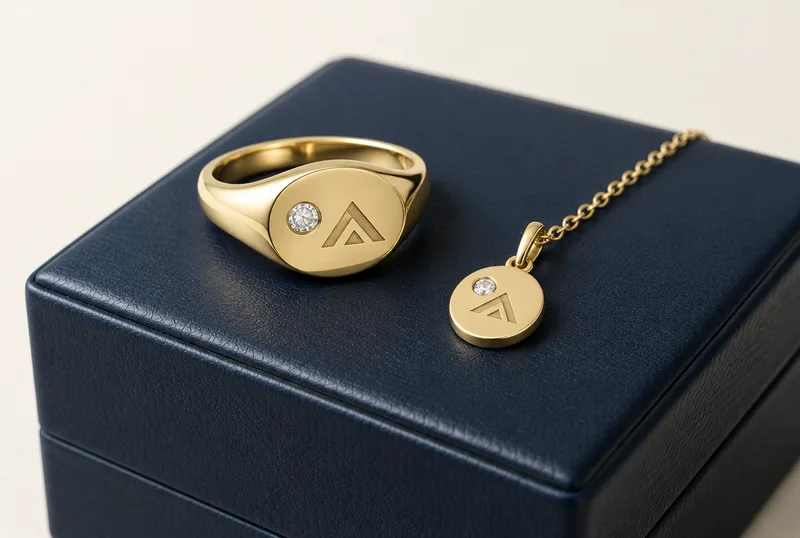
An illustrative story of a romantasy author who turned her series sigil into a charm. She licensed the art, approved CAD from $55 and a sample, then offered it in a special-edition preorder and one Kickstarter tier. Each charm was made after the campaign closed, 1 piece per backer, and shipped in her packaging.
- Minimum order
- 1 piece, made per backer or preorder
- Custom CAD
- From $55 per design ($250 for detailed work)
- Metals
- 925 silver, gold vermeil, 10K, 14K or 18K gold
- Dispatch
- Within 7 days of confirmation; custom timelines confirmed per order
In this guide10 sections
Lena's readers had already made her author merchandise for her. They drew the series sigil, a crescent moon threaded with a thorned stem, on their nails, on their bookmarks, once on an ankle. She writes romantasy and was heading into book three with a special-edition preorder and a Kickstarter. This is how a 1-piece-per-backer charm became one of her reward tiers.
I run my own fine-jewelry brands as well as Grandior. When an author or their assistant gets in touch, the questions are the ones Lena asked: Is there a minimum? Who owns the design? Can each piece go straight to a reader? None, you do once it's paid, and yes.
Why did Lena want jewelry in her author merchandise?
Because her readers kept asking for something they could wear. Her existing merch was stickers, a bookmark and an art print, all sold out of a plastic tub at signings. Readers liked them. They wore none of them.
Her street team said it plainly in their group chat: they wanted the sigil, in real metal, something they could wear to the next signing and not have it turn their neck green. Her ARC readers said the same in their reviews of book two, unprompted, which is when she started taking it seriously.
Who owned the sigil?
Not Lena, at first. A freelance map artist had drawn the sigil for the chapter headers in book one. Her agreement with the artist covered the books and her website, and said nothing about merch.
The U.S. Copyright Office explains that a commissioned work is only "made for hire", owned by the person who ordered it, in certain categories and with a written agreement signed by both sides that says so. Otherwise the artist usually keeps the copyright. Lena emailed the artist, agreed a fee, and got a short written license covering jewelry and other merch. She sent it with her brief.
How did the design go from chapter header to charm?
Lena sent the artist's file with her brief: a charm, about the size of a fingernail, in sterling silver and in gold vermeil. On the call we talked about the two places she'd sell it, the preorder and the Kickstarter, and what each needed.
The sigil had a problem nobody saw on the page. The thorns were hairline-thin. At charm size they'd have been too fragile to cast and polish cleanly. The CAD thickened the stem, cut the thorns from eleven to seven, and kept the crescent's curve exactly. CAD starts from $55 per design, and $250 for detailed work like this. Lena owns the CAD once it's paid for.
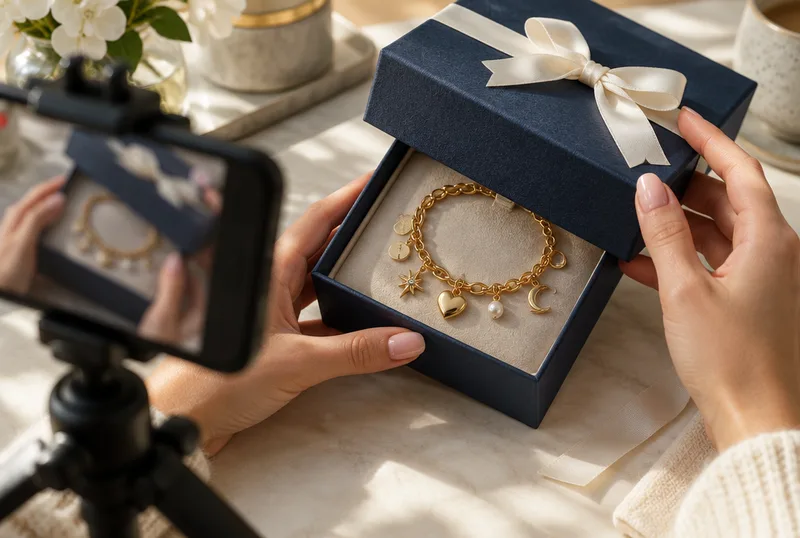
She sent the render to her artist, who approved it with one change: a slightly sharper tip on the moon. Then came the physical sample of her design, in both metals. Before that, she'd ordered a sample to check quality, from $259, to see the finish before she promised anything to backers.
How did the Kickstarter and the preorder fit together?
The charm went into both, at different levels.
- Special-edition preorder. Her signed special edition, with sprayed edges, came as a bundle with the silver charm. Preorders went through her own store.
- Kickstarter tier. A higher tier had the hardcover, the art print and the charm in gold vermeil, numbered on the back. The silver charm was also an add-on in the pledge manager.
Made to order fit the campaign. Kickstarter funding is all-or-nothing: if a campaign falls short of its goal, no one is charged (Kickstarter help center). Lena paid for the design and samples before launch. She bought no charms. If the campaign hadn't funded, there'd have been no stock to sell off at a discount.
| Week | What happened | Who did it |
|---|---|---|
| 1 | Artist license signed; brief and call | Lena, her artist, Nick |
| 1 to 2 | CAD, thorns simplified, artist approves render | Grandior, Lena, her artist |
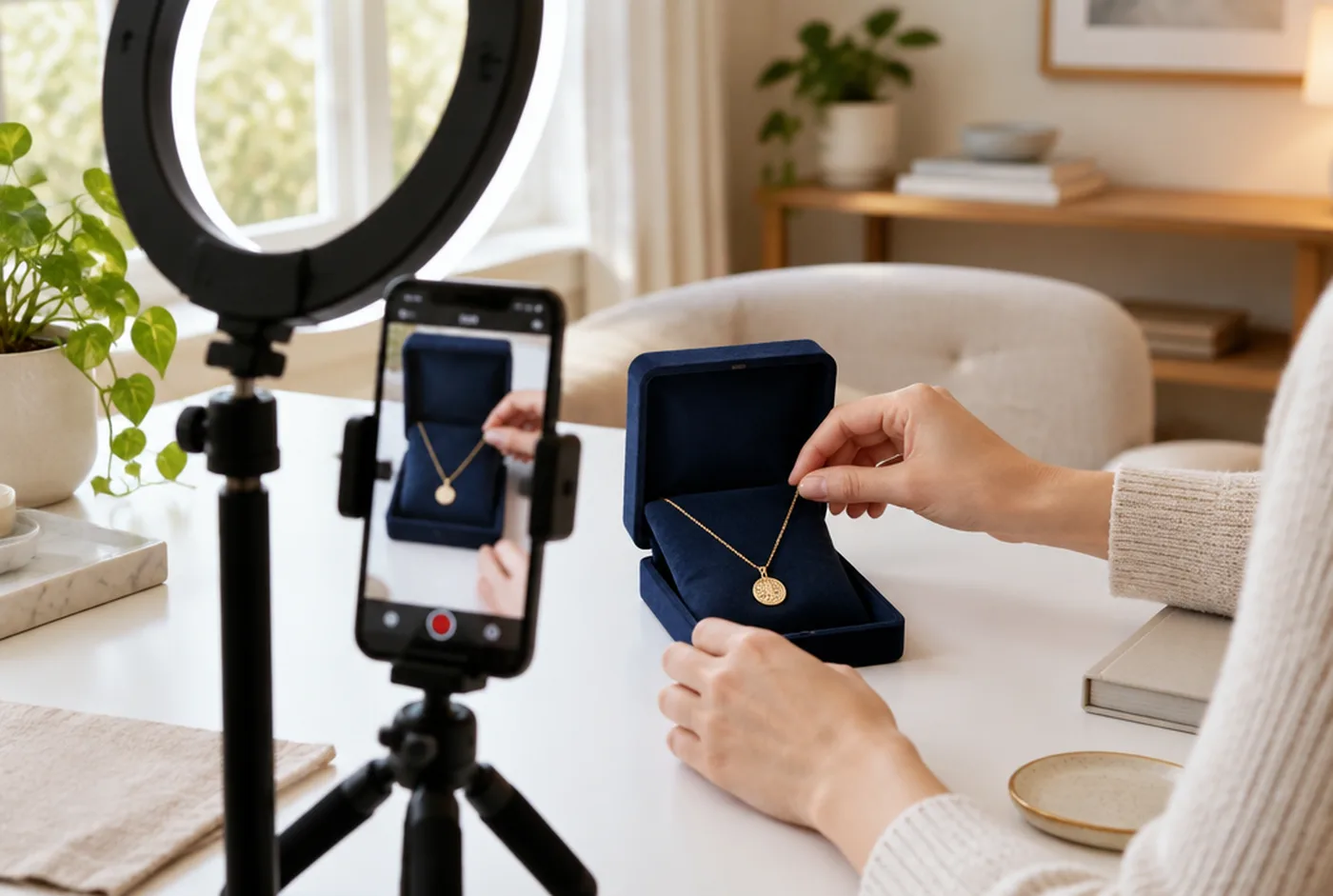
| 2 to 4 | Samples in silver and vermeil; Lena films them | Grandior, Lena |
| 4 | Box, pouch and quote card artwork approved | Lena, Grandior |
| 5 to 8 | Kickstarter live; preorders open on her store | Lena |
| After close | Pledge manager surveys collected; addresses sent | Lena's assistant |
| After surveys | Charms made one at a time, checked, dispatched | Grandior |
What went wrong after the campaign closed?
The addresses. Her assistant exported backer surveys to a spreadsheet, and about one in twenty was missing an apartment number or had the state typed into the zip code field. Charms are shipped tracked and insured to each reader, so a bad address means a parcel bouncing back.
The fix was boring and it worked. Before sending the list, her assistant filtered for empty address lines and short zip codes, and re-sent the survey to those backers. Two international backers needed their country spelled out. Grandior ships to 20+ countries; delivery varies by country and prevailing conditions, which Lena said plainly in her campaign updates.
The other hitch was a date. Lena wanted to put a month on the reward. Custom timelines are confirmed per order, so she waited until we'd confirmed hers before setting the estimated date on the page. Backers remember a missed date long after they've forgotten a later one they were told up front.
What did backers get in the box?
A small black box with the sigil foiled on the lid, a velvet pouch and a card. On one side of the card, the line from book one where the sigil first appears, with the chapter number. On the other, a care note for the metal and a QR code to a bonus chapter for her newsletter.
The charm was cast, polished and finished in partner workshops in India, and checked against Lena's approved sample before it shipped. The reader never sees Grandior; the box says Lena. See jewelry dropshipping for how each order ships to its recipient.
What came of it?
The first 40 charms went out to backers in her pouches, each with its number engraved. Photos of the charm next to the sprayed edges started turning up in her tags. At her next signing, she didn't bring the plastic tub of stickers. She brought the samples, so readers could see the metal before ordering from her store.
The CAD, the sample and the packaging are all set up now. When book four comes out, she can reopen the charm as an add-on or design a second symbol for the next arc.
What to copy from this
- Get written rights to your symbol or art before you send a brief.
- Expect fine lines to change in CAD, and have the original artist approve the render.
- Approve samples and confirm timelines before any reward date goes on the page.
- Use made to order for crowdfunding so you never buy stock for a campaign that might not fund.
- Clean backer addresses before you send them.
- Put the story in the box: the quote, the chapter, a reason to sign up for your newsletter.
Our book merch ideas guide lists other pieces authors make, and how to make merch covers the steps from sketch to sale.
Next step
Send a brief with your symbol, your rights in it and the campaign or edition you're planning. If you'd rather talk dates through first, book a call before you set your reward tiers.
Questions founders ask
What author merchandise do readers actually want?
Things tied to the story that they keep and use. Bookmarks and art prints are a start; a charm or pendant cut from your series symbol is the piece readers wear to signings and post on Bookstagram.
Can jewelry be a Kickstarter reward for a book?
Yes. A series charm works as a reward tier or an add-on. Made to order, each charm is produced after the campaign closes and backers have filled in their surveys, so you never buy stock for a campaign that might not fund.
Can I use my cover art on merchandise?
Only if you own it or your license covers merch. Cover and map art is often owned by the illustrator or the publisher. Check your contracts, and get written permission for jewelry before you send a design.
How much does custom author jewelry cost to set up?
At Grandior, custom CAD starts from $55 per design, or $250 for detailed work, plus a physical sample of your design. Production is quoted per design, line by line.
When should I order merch for a book signing?
Well ahead. Every order is dispatched within 7 days of confirmation, and custom or personalized work can take longer, so timelines are confirmed per order. Approve the design and sample before you set any dates.
Is this a real author?
No. The author, her books and her team are invented to show how the process works. The steps, options and Grandior prices shown are real.
Sources
Checked on October 31, 2026. Rules and rates change, so confirm with the source before you rely on a number.
- Kickstarter, Why is funding all-or-nothing?help.kickstarter.com
- U.S. Copyright Office, Circular 30, Works Made for Hirecopyright.gov
Get new guides by email
Practical guides for jewelry brands, from what we see on real orders. Only new guides; unsubscribe any time.