Short answer
Pick one customer and price point, choose a model that avoids buying stock, get a free ABN, register a business name with ASIC (AUD 47 for 1 year as of October 2026) and register for GST at AUD 75,000 turnover. Jewellery made in India enters at 0% duty under ECTA with a certificate of origin, plus 10% GST.
- ABN
- Free, through the Australian Business Register
- Business name (ASIC)
- A$47 for 1 year, A$108 for 3 years (from 1 July 2026)
- GST registration
- Required at A$75,000 GST turnover
- Duty on jewellery from India
- 0% under ECTA with a certificate of origin (5% otherwise)
In this guide12 sections
To start a jewellery business in Australia in 2026, pick a niche and price point, choose a model that doesn't tie cash up in stock, get a free ABN and an A$47 business name, and price from your full landed cost. If you buy from India, jewellery enters at 0% duty under the India-Australia trade agreement with the right paperwork, plus 10% GST.
I run my own fine jewellery brands as well as Grandior, so these are the steps I'd follow again. Brands that contact us ask the same things first: minimum orders (we have none), one-at-a-time personalisation, who owns the CAD files (the brand does, once paid) and branded packaging.
What do you need to start a jewellery business in Australia?
You need a niche, a business model, an ABN, a business name, a supplier and a place to sell. Registration is cheap. The real money goes on samples, photos and marketing, so plan those first. The eight steps below follow the order I'd do them in.
1. What niche and price point should you pick?
Pick one customer and one price band before you pick a single design. "Fine jewellery" is not a niche. "Lab-grown diamond everyday pieces for women buying for themselves" is. The niche tells you which metal, which stones and which channels to use.
Your price band decides your materials:
- 925 sterling silver and gold vermeil suit entry prices, gifting and first collections.
- 10K and 14K gold suit everyday pieces that last.
- 18K gold suits bridal and premium pieces.
- Lab-grown diamonds give a diamond look at a fraction of the price of mined stones.
2. Which business model suits your budget?
Choose the model that needs the least cash before your first sale. Most new Australian brands start with made-to-order pieces and add their own designs once they know what sells.
| Model | You pay up front for | Best when |
|---|---|---|
| Handmade by you | Tools, materials, your time | You are a maker and volumes are small |
| Wholesale stock | Every piece, before it sells | Your best sellers are proven |
| Made to order with a production partner | Samples only | You want to launch lean and test designs |
| Your own designs via CAD | CAD and samples | You want pieces no one else can sell |
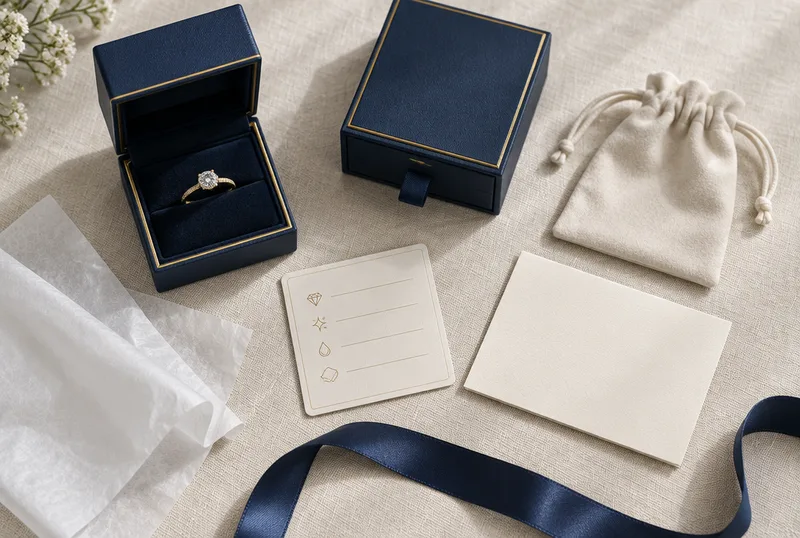
With a production partner, each piece is made after your customer pays and shipped in your packaging. See how private label and jewellery dropshipping work, or start from your own sketches with custom design. CAD design at Grandior starts from US$55 per design, and the files are yours once paid.
3. How do you register a jewellery business in Australia?
Get an ABN, register your business name, and register for GST when you reach the threshold. Talk to an accountant about whether to trade as a sole trader or a company.
- ABN. Applying is free through the Australian Business Register at abr.gov.au.
- Business name. If you trade under any name other than your own, register it with ASIC. As of October 2026, the ASIC fee is A$47 for 1 year or A$108 for 3 years. You need an ABN, or an ABN application reference, to apply.
- GST. The ATO says you must register once your GST turnover reaches A$75,000, or when you expect it to. Once required, you have 21 days. Verify the threshold on ato.gov.au before you rely on it.
4. What does it cost to import jewellery from India?
As of October 2026, jewellery made in India enters Australia at 0% duty under the India-Australia Economic Cooperation and Trade Agreement (ECTA), if you hold a certificate of origin when the goods are imported. Without one, the general rate for jewellery under heading 7113 is 5%.
Value decides the paperwork. The ABF says consignments worth A$1,000 or less generally pay no duty, tax or charges. Over A$1,000, you need a full import declaration and pay duty, GST and an import processing charge. The ATO sets import GST at 10% of the customs value plus duty, transport and insurance.
Ask your supplier for the certificate of origin before the parcel leaves India. The ABF's ECTA rules of origin guide explains what it must show. For a full walk-through, read how to import jewellery from India to Australia.
5. How must you describe jewellery under Australian Consumer Law?
Describe every piece exactly as it is. The ACCC says businesses must not make false claims about a product's quality, style, model or history, and that it makes no difference whether a business meant to mislead.
For jewellery, that means:
- Lab-grown diamonds are always "lab-grown". Say it in the title, description, ads and on the certificate. The ACCC's 2005 jewellery industry guidance said "laboratory created" was unlikely to mislead, and that "cultured" risked misleading buyers.
- Moissanite and cubic zirconia are never called diamonds. Name the stone.
- Metal claims match the metal. 14K gold is solid gold. Vermeil is gold over sterling silver. Plating is plating.
- Certificates match the stone. Quote the lab and report number.
6. Where should you sell: Shopify, Etsy or Instagram?
Start with your own Shopify store, add Etsy if you sell your own designs, and use Instagram to bring people in. Two channels done well beat five done badly.
- Your own store. You own the customer, the email list and the brand. Shopify is the fastest way for most founders to launch.
- Etsy. Etsy does not allow dropshipping or reselling of jewellery. You can use a production partner for your own designs or buyer-personalised pieces, and you must disclose the partner on the listing. Never list a supplier's ready designs as they are. Our Etsy production partner page explains how this works.
- Instagram. Short videos of pieces being worn, creator posts and a link to your store.
7. How do you get product photos without a big shoot?
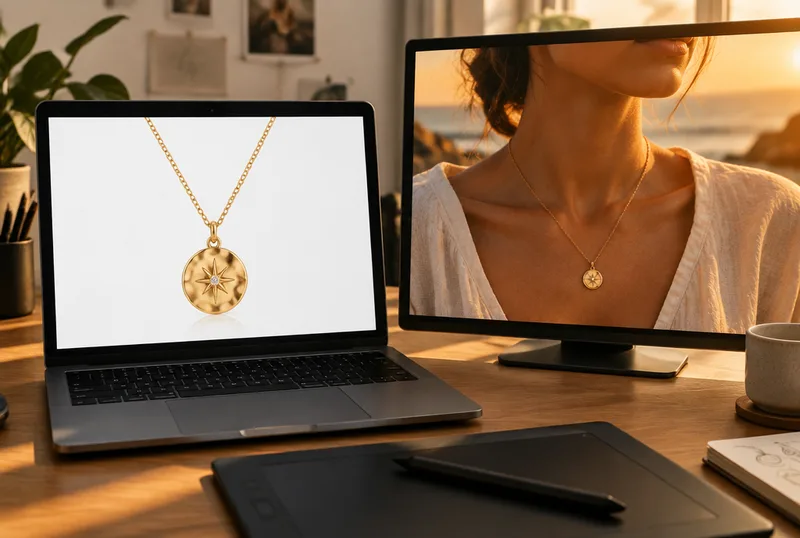
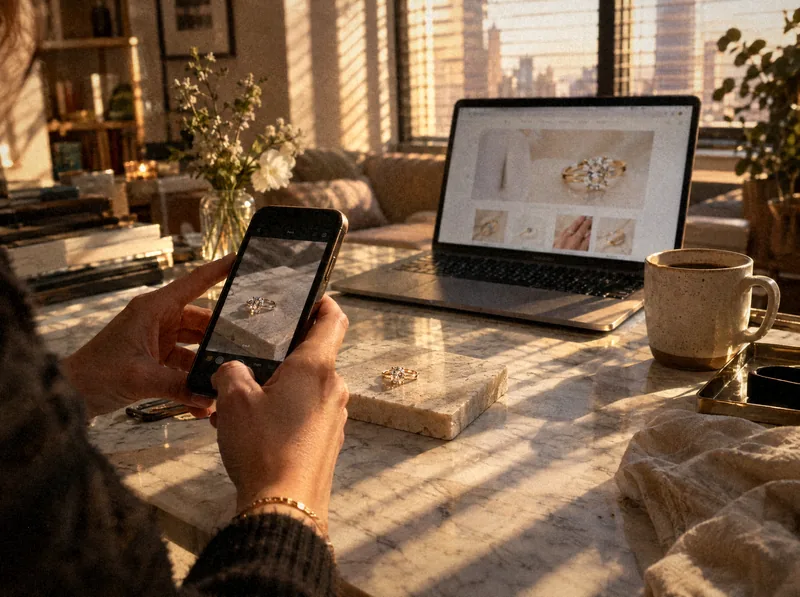
Use a mix of studio shots, on-hand images and short videos, and use AI photography to get them without booking a studio. Jewellery sells on images, so this is where much of your launch budget should go.
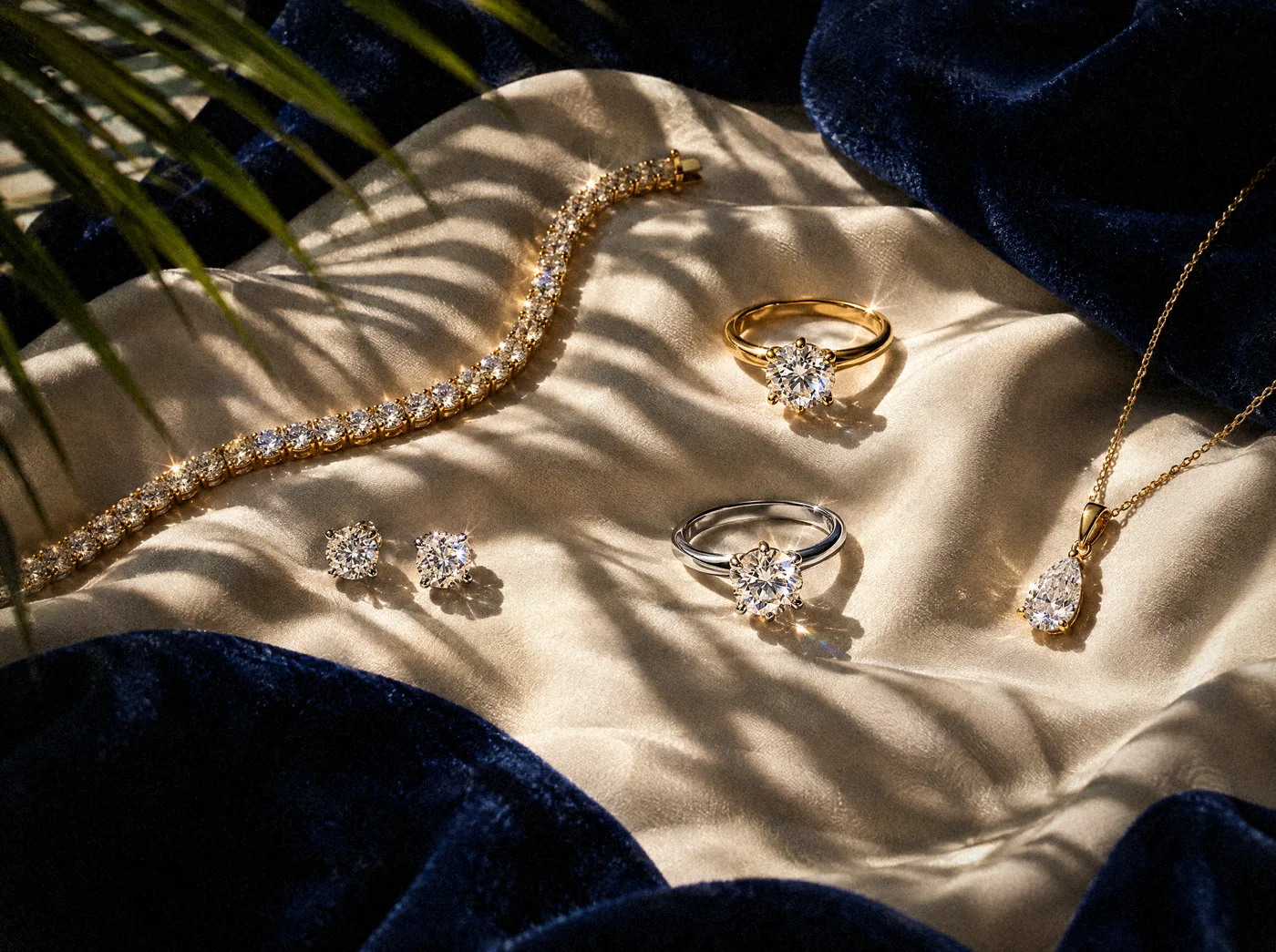
AI photography places your real piece on a hand, a model or a lifestyle scene. A starter set covers 10 products for US$400. Check every image against the real piece: stones, prongs and metal colour must match what the customer receives, or the photo itself becomes a misleading claim.
8. How should you price from landed cost?
Price from what each piece costs you to land and send, not from competitors. Your landed cost includes:
- The piece itself: metal, stones, making and finishing
- International shipping and insurance
- Duty (0% from India with a certificate of origin, as of October 2026)
- Import GST of 10% on consignments over A$1,000 (claimable as a credit if you are registered)
- Packaging, inserts and certificates
- Local postage, payment fees, returns and remakes
Many direct-to-consumer fine jewellery brands start at roughly 2.5 to 4 times landed cost, then adjust. If you are registered for GST, 1/11 of a GST-inclusive retail price goes to the ATO, so build it in.
How much does it cost to start a jewellery business in Australia?
Government registration costs very little. Most of your budget goes on samples, photos and marketing. Grandior prices below are in US dollars.
| Item | Cost | Notes |
|---|---|---|
| ABN | Free | Apply on the Australian Business Register |
| Business name, 1 year | A$47 | ASIC fee from 1 July 2026 |
| Business name, 3 years | A$108 | ASIC fee from 1 July 2026 |
| Company registration (optional) | A$636 | ASIC fee for a company with share capital, only if you incorporate |
| GST registration | Required at A$75,000 turnover | Register within 21 days of reaching it |
| Grandior samples | From US$259 per piece | Duties and GST paid at checkout (DDP) |
| CAD design | From US$55 per design | You own the CAD once paid |
| Brand onboarding | US$1,000 | Packaging, inserts and order workflow |
For the wider playbook on choosing a niche, vetting a manufacturer and launching, read our step-by-step guide to starting a jewellery brand. You can also browse ready designs in the lookbook.
Next step
If you're planning to start a jewellery business in Australia, order a few samples in the metal you plan to sell, or book a 30-minute call. I'll walk you through costs, import paperwork and what to launch with.
Questions founders ask
Do I need an ABN to sell jewellery in Australia?
You need an ABN, or an ABN application in progress, to register a business name with ASIC, and you need one to register for GST. Applying is free through the Australian Business Register. Most founders get one before they place their first order.
How much does it cost to register a business name in Australia?
As of October 2026, ASIC charges A$47 to register a business name for 1 year and A$108 for 3 years. These fees apply from 1 July 2026 and are indexed each year, so check ASIC before you pay.
Do I have to register for GST to sell jewellery?
You must register for GST once your GST turnover reaches A$75,000, or when you expect it to. Once you are required to, you have 21 days to register. Below the threshold, registration is optional.
Is there import duty on jewellery from India to Australia?
As of October 2026, jewellery under heading 7113 has a general duty rate of 5%, but Indian-originating goods enter at 0% under the India-Australia ECTA if you hold a certificate of origin when the goods arrive. Import GST of 10% still applies to consignments over A$1,000.
Can I sell lab-grown diamond jewellery in Australia?
Yes. Lab-grown diamonds are real diamonds, and you can sell them anywhere in Australia. Describe them as lab-grown every time, in titles, descriptions, ads and certificates, so no customer could think they are mined.
Can I sell on Etsy if someone else makes my jewellery?
Yes, if the pieces are your own designs or personalised by the buyer, and you list your production partner on the listing. Etsy does not allow you to resell or dropship a supplier's ready designs.
Sources
Checked on October 21, 2026. Rules and rates change, so confirm with the source before you rely on a number.
- ASIC: Fees for commonly lodged documentsasic.gov.au
- ATO: Registering for GSTato.gov.au
- ABF: Import declarationsabf.gov.au
- ABF: Customs tariff, chapter 71 (pearls, precious stones and metals, jewellery)abf.gov.au
- ACCC: False or misleading claimsaccc.gov.au
Get new guides by email
Practical guides for jewelry brands, from what we see on real orders. Only new guides; unsubscribe any time.